
Alt Text

The image
has a job.

Alt text is writing that carries an image’s meaning into words. It doesn’t catalogue everything visible. It preserves what the image is doing—and what the reader needs to understand or accomplish.

Accuracy is not enough.

The description must preserve the experience. Explore the cases
Case 01Kindergarten · Mathematics · Counting

Don’t Give Away the Answer

The description must preserve the child’s opportunity to count.
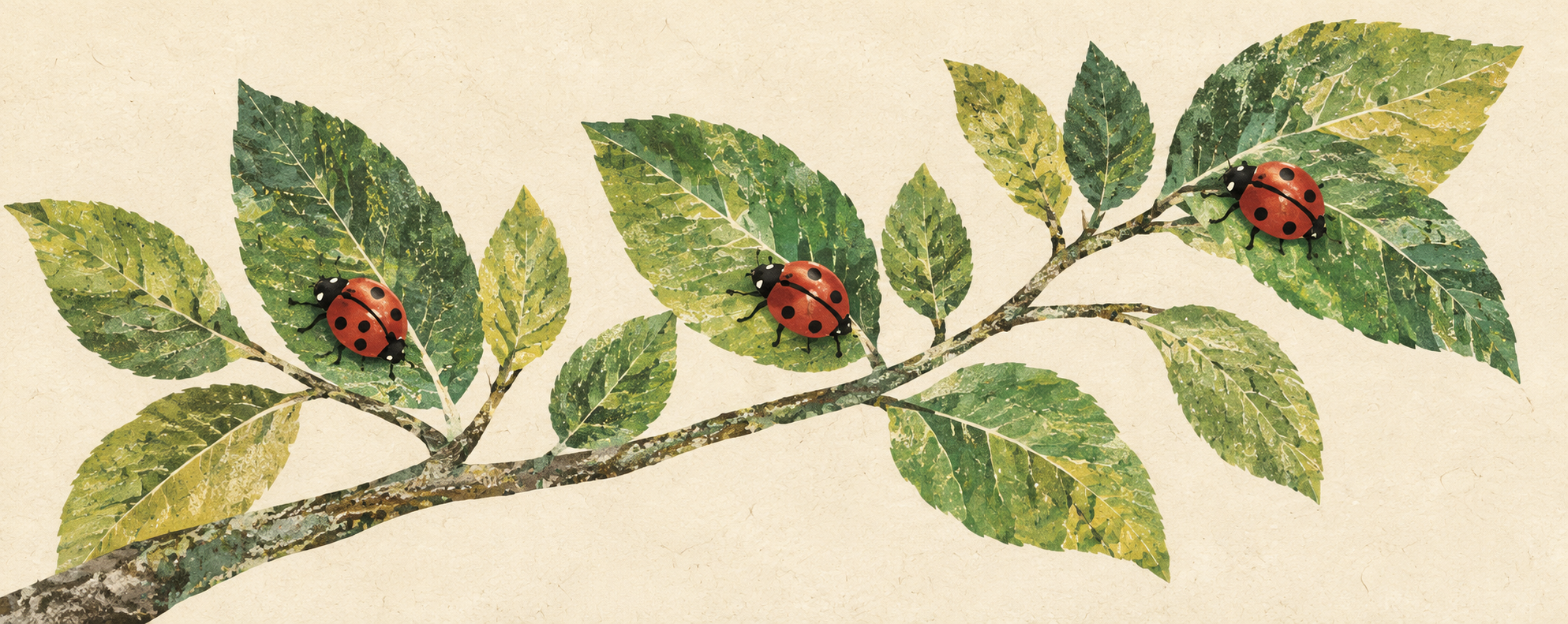
Three ladybugs rest separately on leaves along a branch.
Choose a marker to examine the writing decision.
Case 02Science · Covalent Bonds · Process Diagram

First Things First

A process diagram has a reading order. The description must preserve it.
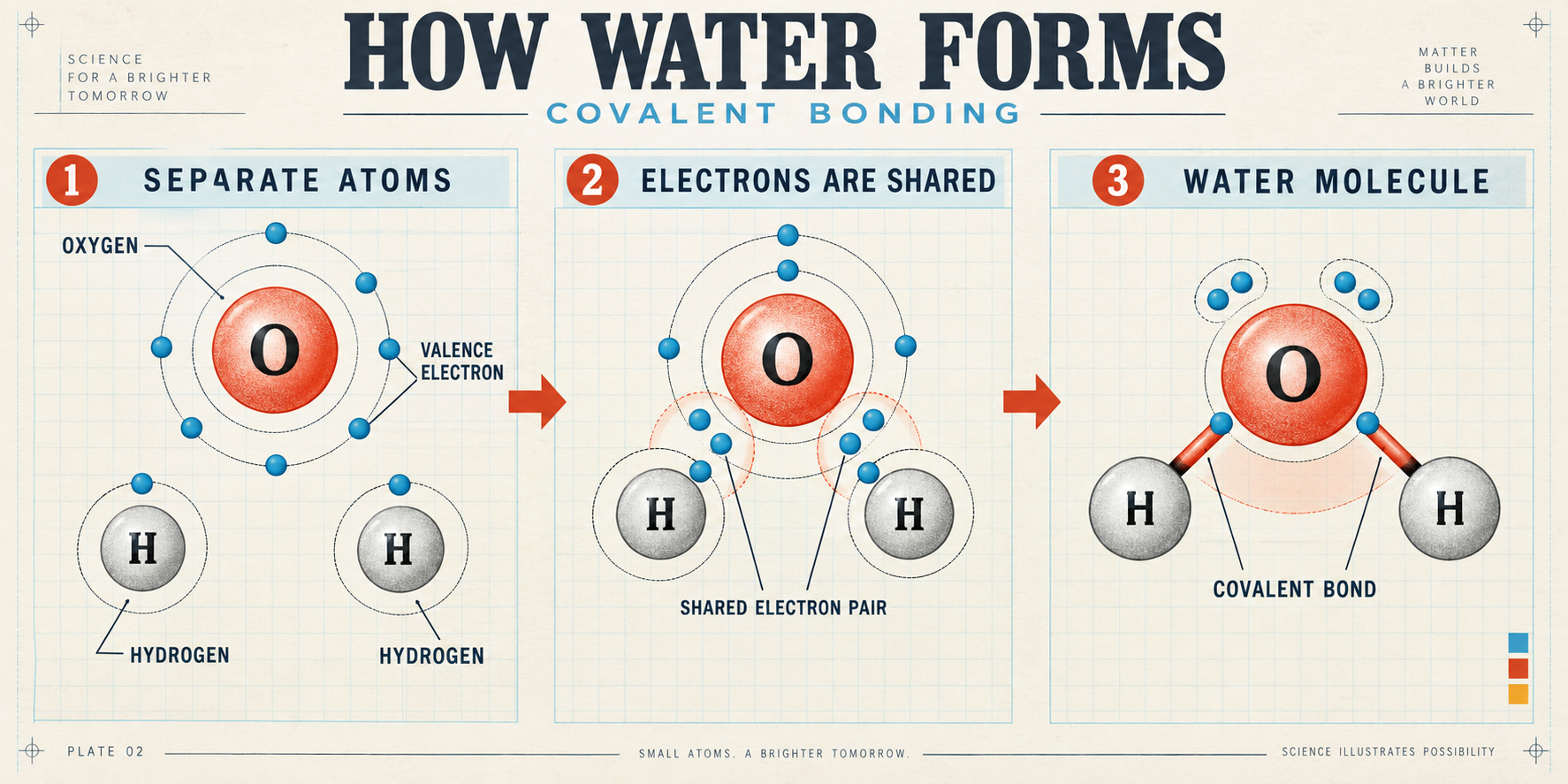
A three-stage diagram showing separate oxygen and hydrogen atoms moving together and sharing electrons to form a water molecule.
Follow the sequence, then examine each writing decision.
Case 03Biology · Context · Redundant Image

When Silence Is Better

If nearby text has already carried the image’s meaning, repeating it adds friction—not access.

The luna moth has pale-green wings, transparent eye spots, and long, curved tails on its hindwings. Here, one rests against the white bark of a birch tree.
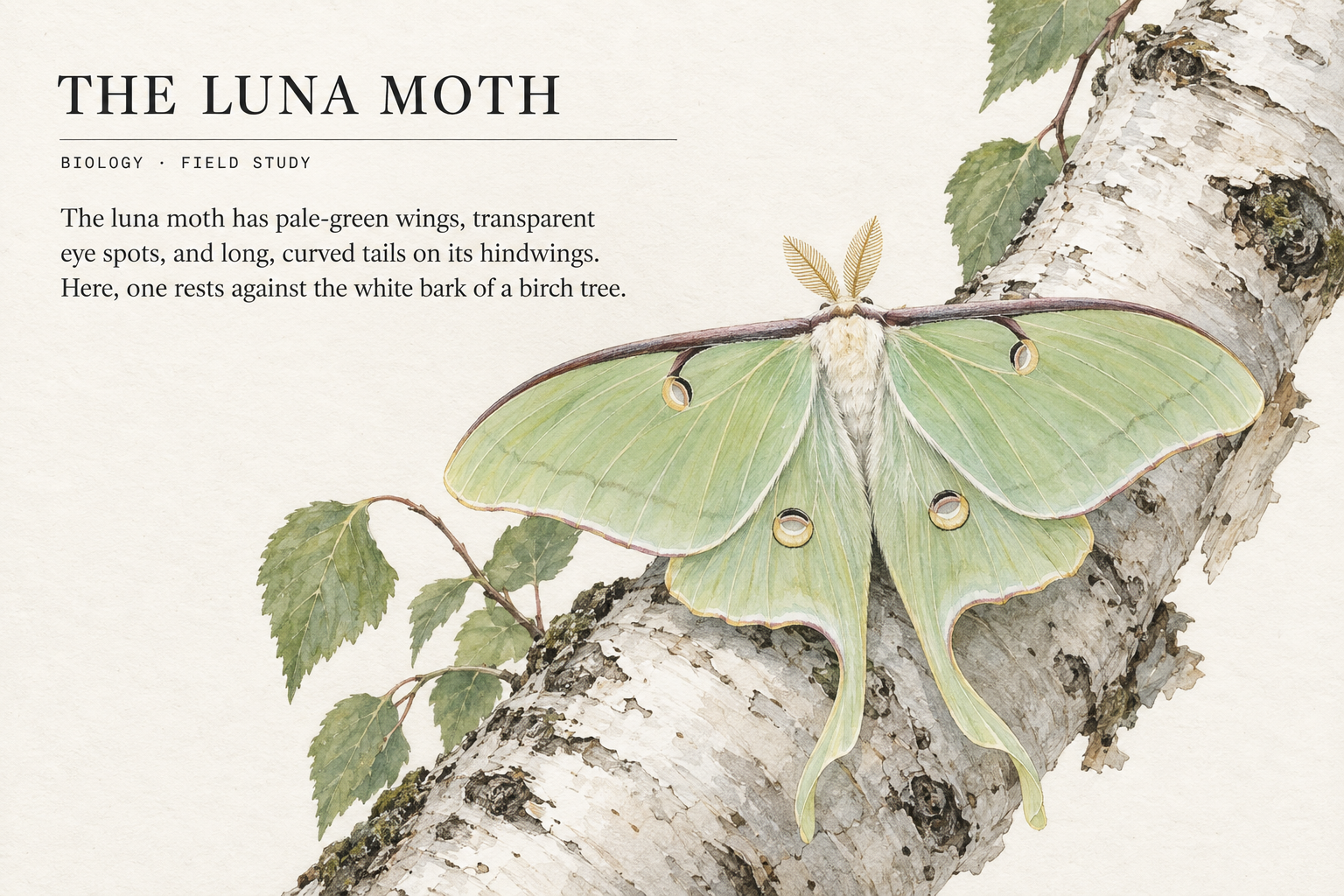
The same image may need description elsewhere. Here, context changes its job.

A final measure

The description
is a decision.

The question isn’t only, “Did I describe the image?”
It’s, “Can the reader still do what the image asks them to do?”

01

Perspective

A ladybug resting on a dew-covered leaf

Describe from the reader’s point of view—not merely from what is visible.

02

Clarity

A luminous model of a water molecule

Choose the details that carry meaning. More information is not always better information.
03

Experience

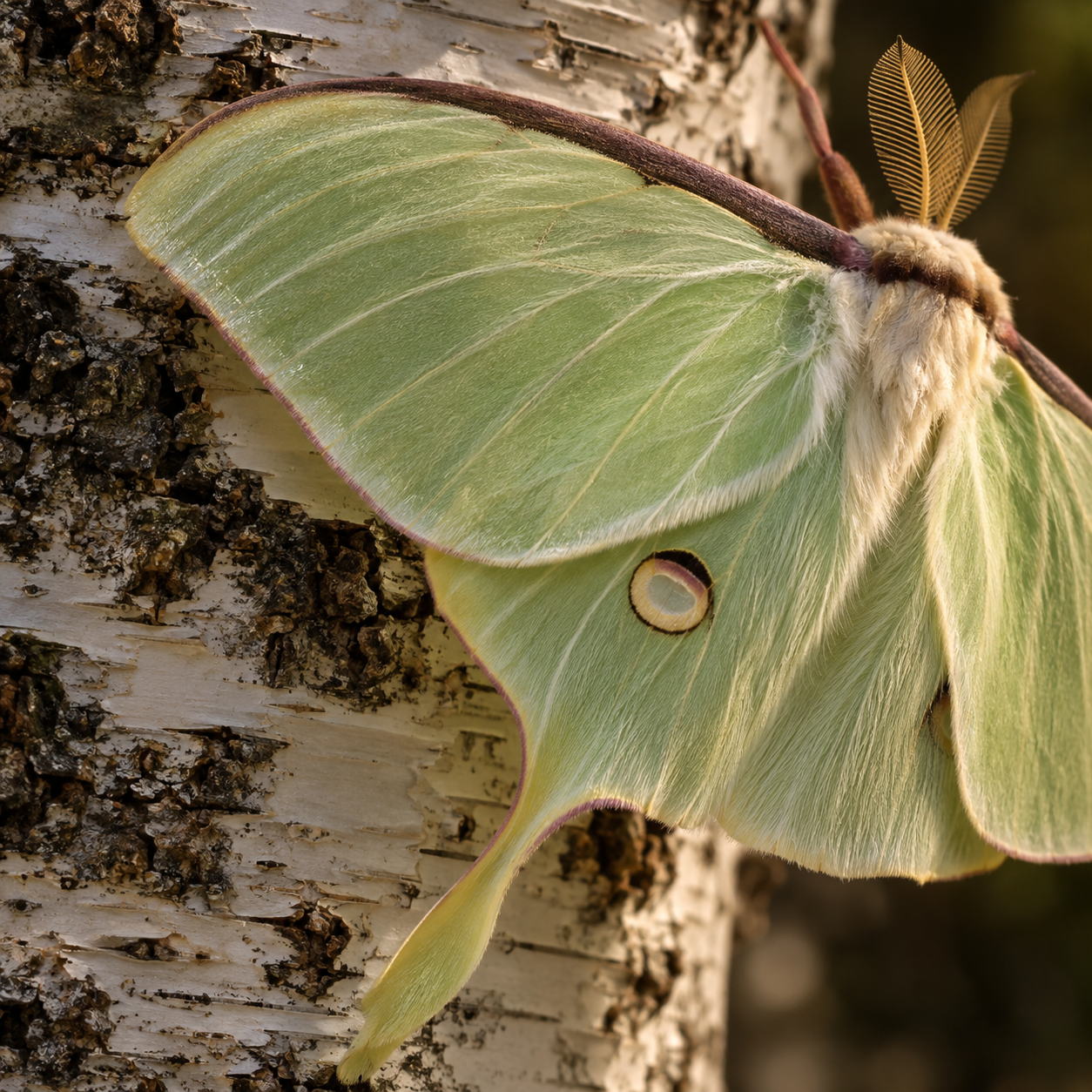
The patterned wing of a pale-green luna moth against birch bark

Preserve the opportunity to count, follow, compare, discover, or understand.

Equal access is not access to every detail. It is access to the intended experience.

The image has a job. The writing carries it forward.

01 Purpose

The picture is the exercise.

The learner is expected to count the insects independently. Naming the total would complete the task for them.

What must remain possible? Counting—not merely hearing the answer.

02 Translation

Accuracy can still be wrong.

Common mistake

Three ladybugs on a branch.

Preserve the task

There are ladybugs on a branch. Count.

Ladybug. Ladybug. Ladybug.

03 Access

Make each object countable.

Each “Ladybug.” is written as a standalone sentence, creating a distinct spoken unit the learner can count.

Equal access The learner receives the same task, not a disclosed answer.

01 Orient

Build the map before the journey.

Identify the kind of diagram, its direction, and the symbols the reader will need. Here, three stages move from left to right.

Missing information Without an orientation, the reader receives details without a structure.

02 Sequence

Meaning changes one step at a time.

Describe each stage in order: the atoms begin separately, move together, and then share electrons. Sequence is part of the content—not merely the layout.

Thoughtful translation Use “first,” “next,” and “finally” to carry the visual order into language.

03 Connect

Name what changed.

The final description connects the stages: two shared electron pairs create two covalent bonds, forming one water molecule.

Equal access The reader can follow the process, compare its stages, and understand the result.

01 Context

What has already been said?

The passage identifies the moth, describes its visible features, and explains where it is resting before the reader reaches the image.

Context carries meaning The surrounding writing has already completed the image’s informational job.

02 Redundancy

More words can create less access.

Repeating the same description as alt text would make a screen reader announce the information twice, interrupting the reading flow and adding unnecessary cognitive load.

The test Would the reader learn anything new from hearing this image described?

03 Restraint

Let the image be silent.

An empty alt attribute—alt=""—tells assistive technology to skip the redundant image and continue to the next meaningful content.

Equal access The right information, delivered once, at the right moment.