Chapter 01 / Arrival

Follow the thread.

Professional life is rarely a ladder. This one is a network.

01 / An introduction

Some Things I Noticed

I’ve had a lot of jobs.

That makes my life sound more deliberate than it was. Most of the time, it was necessity. Sometimes curiosity. Sometimes the feeling that I could learn something and be useful.

This site is about me. A career path is just one of the lenses.

These aren’t milestones. They’re some of the things I noticed on the way.
A little more about me

02 / Work / a recurring pattern

Learning the Room

I’ve worked in places that seemed to have very little to do with one another—ballparks, magazines, restaurants, corporate offices.

Until recently, I rarely arrived as the expert.

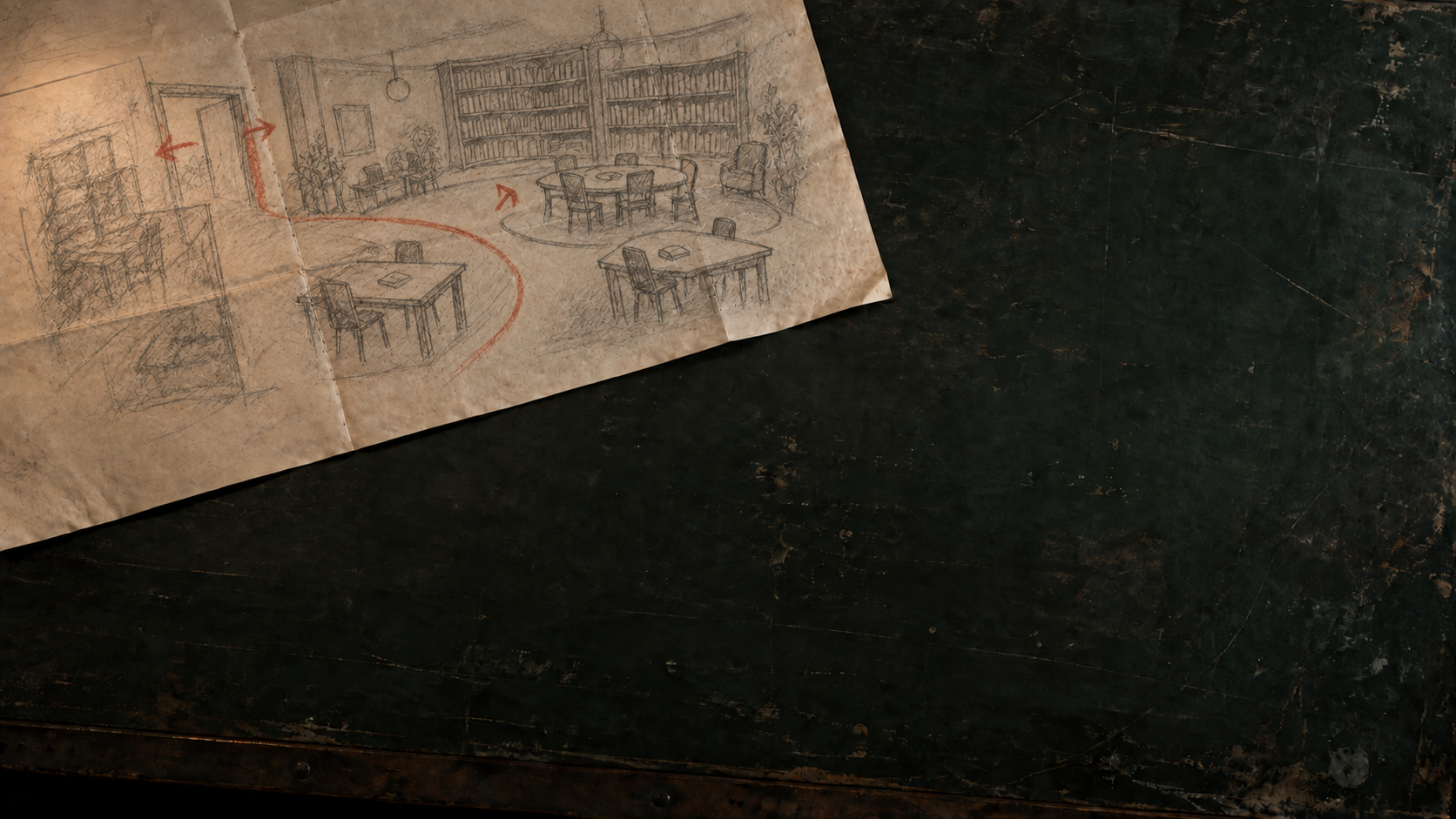
I learned the room. The official rules, the rules people actually followed, who knew how everything worked, and who the system expected to quietly work around it.

Different places. Different work. Usually the same first instinct: pay attention before deciding what needed to change.

Some of the rooms — Portland Sea Dogs · Aloha2Go · Fidelity · National Parks

See some of the rooms

03 / Accessibility / intention

Changing Who the Room Admits

Accessibility is where my work became intentional.

I stayed with it. I learned enough to become an expert, then discovered that expertise doesn’t matter if there is no role, authority or structure for it to live in. More than once, I had to describe the job before I could do it—including my own.

The work has taken different forms: contracts, governance, training, culture, language and public experience. The question underneath has remained the same: who is being asked to do extra work simply to participate?

Accessibility gave me the chance to do what I had been circling in every other job: learn the room, then change who the room was built to admit.

Explore my accessibility work

Chapter 02 / Writing & attention

Writing is where the line begins.

One thread through many forms. Accessible descriptions - Food Magazine - Haiku

04 / Writing / access

Writing for Someone Else

I’ve written more than 250,000 pieces of alt text and extended image description.

That number sounds industrial. The work never was.

Every image asked the same questions in a different form: What matters here? What order allows the meaning to arrive? What am I assuming because I can see it? What can I leave out without deciding, for someone else, what they do not get to know?

Description sounds neutral. It isn’t. Every sentence decides what comes forward and what disappears.

Accessibility taught me that writing is not only expression. Sometimes its job is to let someone in.

New to alt text? Explore it here

05 / Writing / place

Writing About a Place

I love food. I distrust a lot of food writing.

It can make a place sound like it was waiting to be discovered—a culture reduced to something ordered, photographed and rated.

At Aloha2Go, the food was the entrance, not the whole story. A plate could hold migration, family, scarcity, celebration, adaptation and memory. Someone made it. Someone taught them. Someone decided what could change and what needed to remain.

I wanted the writing to keep those people in the frame.

Writing about a place means remembering that it was already alive before you arrived.

Aloha2Go · food, culture and the responsibility of representation

Enter the writing world

06 / Writing / no assignment

No Assignment

Most of my writing has no job.

It begins as a text I may or may not send. Something strange seen through a coffee-shop window. A sentence written down before it disappears. Ten minutes taken back from a bad day at work.

Without an assignment, I can follow what caught me before deciding what it means. Some pieces become poems. Some remain notes. Some are imperfect because I was imperfect when I wrote them.

Sometimes my writing is not a finished idea, but me noticing someone noticing, wanting, worrying, laughing and trying to make sense of things while they are still happening. It helps me in ways I can’t explain.

The writing doesn’t need to resolve the moment. It just needs to keep me from losing it.

Read what I kept

Chapter 03 / Systems & accessibility

Systems change when the roots change.

The writing thread enters organizations—contracts, education, governance, culture, and public experience.

07 / Accessibility / change

Sandpaper

Accessibility is easy to support in principle. The resistance usually begins when it asks for time, money, authority or a change in how things have always been done.

I’ve watched it become everyone’s value and no one’s responsibility.

Sometimes diplomacy worked. Other times I had to be stubborn. I asked again after the meeting had moved on. Put it back on the agenda. Named the gap after the room had agreed the work was finished. Helped turn good intentions into roles, standards, training and accountability.

At times, I was sandpaper.

Sandpaper creates friction because friction is the work. It wears down what people have learned to accept so something more equitable can take its place.

Some of the work I’m proudest of began when I was unwilling to give up.

See how I approach accessibility change

08 / Systems / a final note

What It Protects

The contract was eleven pages long before anyone asked whether the person signing it could read it.

I dislike bureaucracy. I’m very good at building it.

The difference is whether it protects people or protects itself.

If you’d like to see the resume

The conventional door

Keep looking around.

The exploratory homepage opens into a useful website underneath it.